Stainless Steel Wire Installation

RetractaShade uses a single loop of stainless steel cable to support the sail — strong, corrosion-resistant, and built to handle whatever the Australian outdoors throws at it.

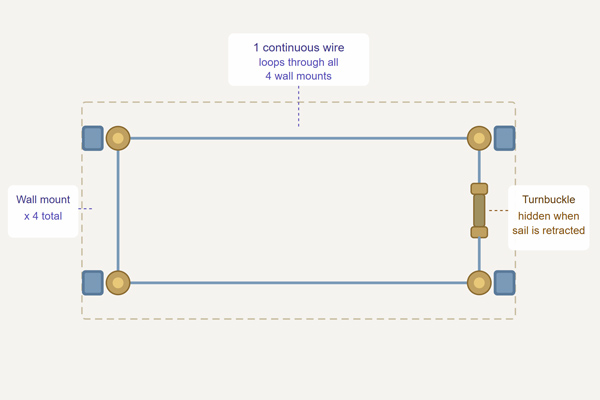
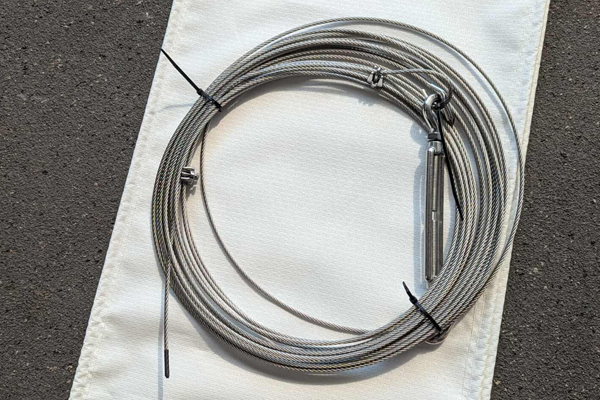
A custom made to size and assembled stainless steel wire and turn buckle are provided with your Retractashade. One end is adjustable so you can adjust the tension on the wire.
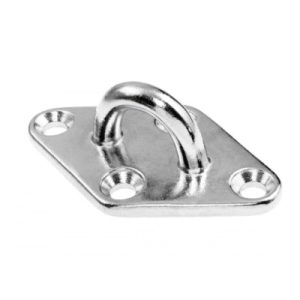
Step 1 — Fix your 4 wall mounts

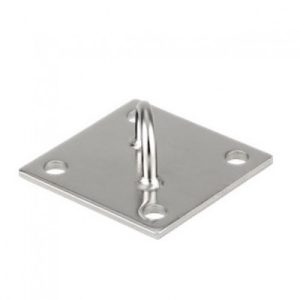
Install the 4 mount points on your walls or posts. We’ll tell you exactly how far apart to space them based on your sail size. Consider the option of adding a fall of approx 50mm per metre width, so water can run off in one direction.

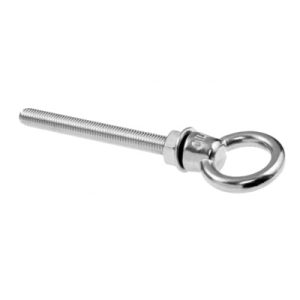
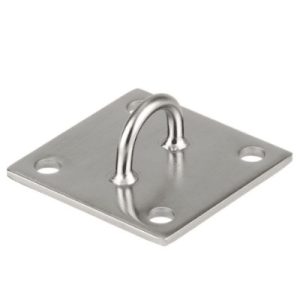
Mounting Hardware Options

We offer a range of mounting hardware. Contact us for help or advice.

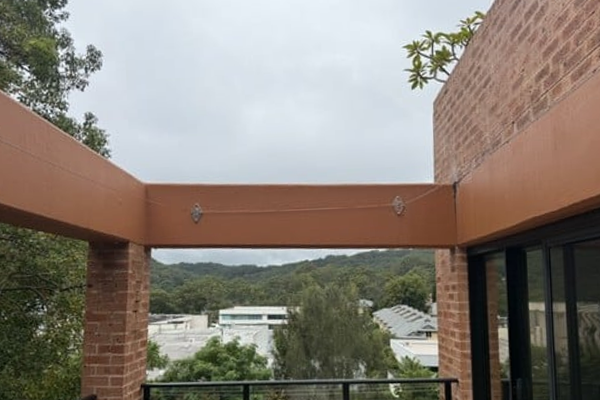
installing mounts for retractable shade sail
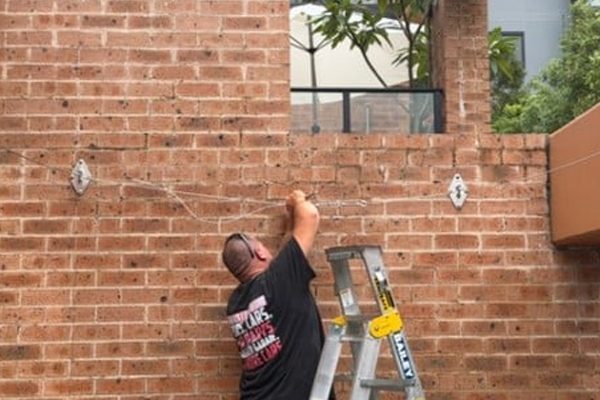
installing wire into brick work

Step 2 — Run the wire

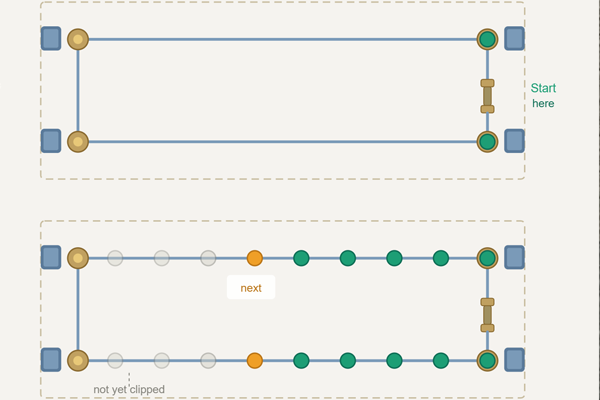
Thread the stainless steel cable through all 4 mounts so it forms a continuous loop. On one of the short ends, use the turnbuckle to connect the wire back to itself and tension it. One wire, four points, done.

The ‘back’ wire is where the turnbuckle will tension the wire, when the sail is retracted, you won’t see the turnbuckle. Ensure the wire is tight and does not sag in the middle, one end of the wire is adjustable, if required,  make the wire longer or shorter to ensure the turnbuckle can be used to gain good tension on the wire.

Wire loop diagram
precut wire with swaged end and open end for adjustment

Step 3 — Hang the sail from the back wire

Please note: This part is easier with 2 poeple.

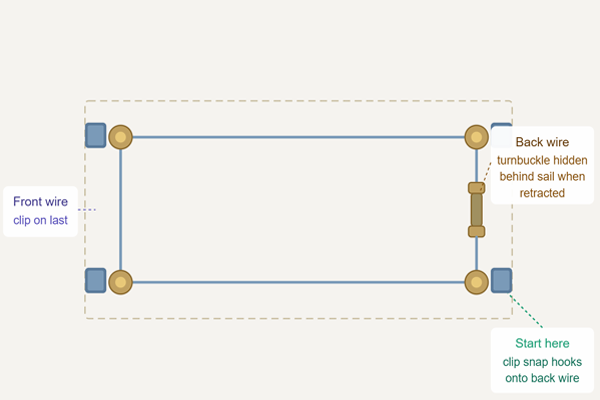
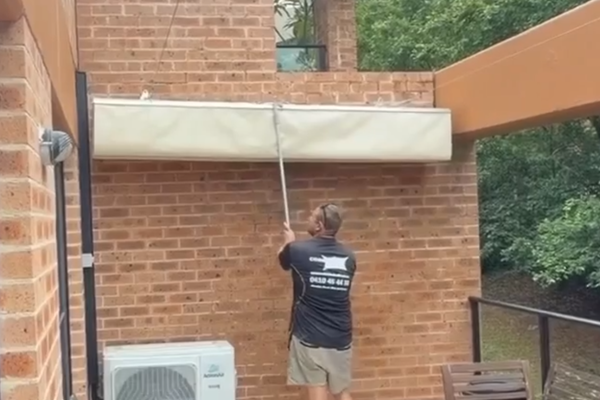
Start at the back end of the sail — the end with the turnbuckle. Clip the first set of clips onto the back wire. This locks the sail in place at that end and neatly hides the turnbuckle from view.

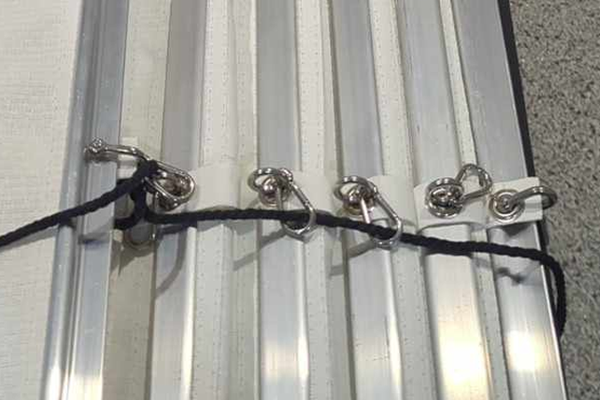
When you open the pack, the snap hooks will be held in place with packaging (see the photo). Undo the package and ensure to start but lifting the ‘back end’ to the back wire.

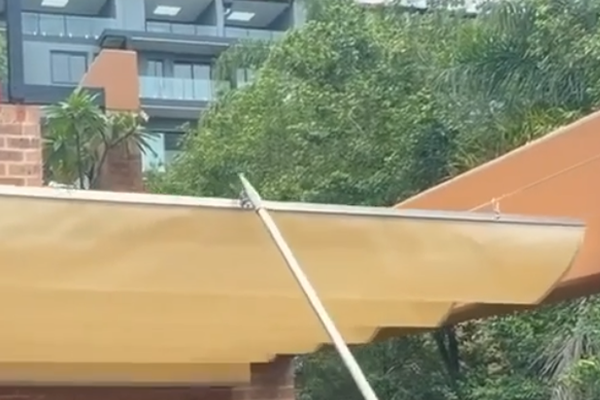
retractable shade sail snap hooks showing back of shade

Step 4 — Clip it all on

Work your one set of clips at a time. Clipping the sail onto the wire from back, to front. The whole thing takes about 5-10 minutes, it is alot easier with 2 poeple helping as it can be awkward with only 1 person.

Hint: Intstall all of the clips so the sail is sitting it it’s ‘retracted’ position. Per the photo, that way you don’t have to ‘move along the wire’ as you are clipping it on. Wait until it’s all clipped on before opening it out.

Step 5 — Operate with the retraction pole

There’s a 6mm eyebolt at the front end of the sail. Hook the nob of the retraction pole through it and slide the sail back and forth.

Most put the hook ‘over’ the eyebolt to open it out, and then ‘up through’ the eye to close the sail back into it’s retracted position.

That’s all there is to it. Enjoy your new retractable shade sail.

retraction-pole-hook-on-to-open-it

Adding Grease or Lubricant

Adding lubricant to the wire for better and smoother sliding is ideal. For greasing a stainless steel wire for a retractable shade sail, you’ll want to use a lubricant that is effective at reducing friction and preventing corrosion, especially since the wire will likely be exposed to outdoor elements. Here are a few options:

  1. Silicone Lubricant: Silicone sprays are great for metal-to-metal applications and are highly resistant to water and weather, making them ideal for outdoor use. They can help prevent rust and corrosion on the stainless steel wire.
  2. PTFE (Teflon) Spray: This type of lubricant offers low friction and also resists water, making it another good choice for outdoor environments. It’s effective in reducing wear and extending the life of moving parts.
  3. Marine Grade Grease: If you’re looking for something that can handle harsh conditions, including saltwater exposure, marine-grade grease can be a good choice. It’s designed to protect against rust and corrosion in wet environments.
  4. White Lithium Grease: This is a thicker grease that provides good lubrication and protection against corrosion. It’s suitable for heavy-duty applications and is water-resistant as well.